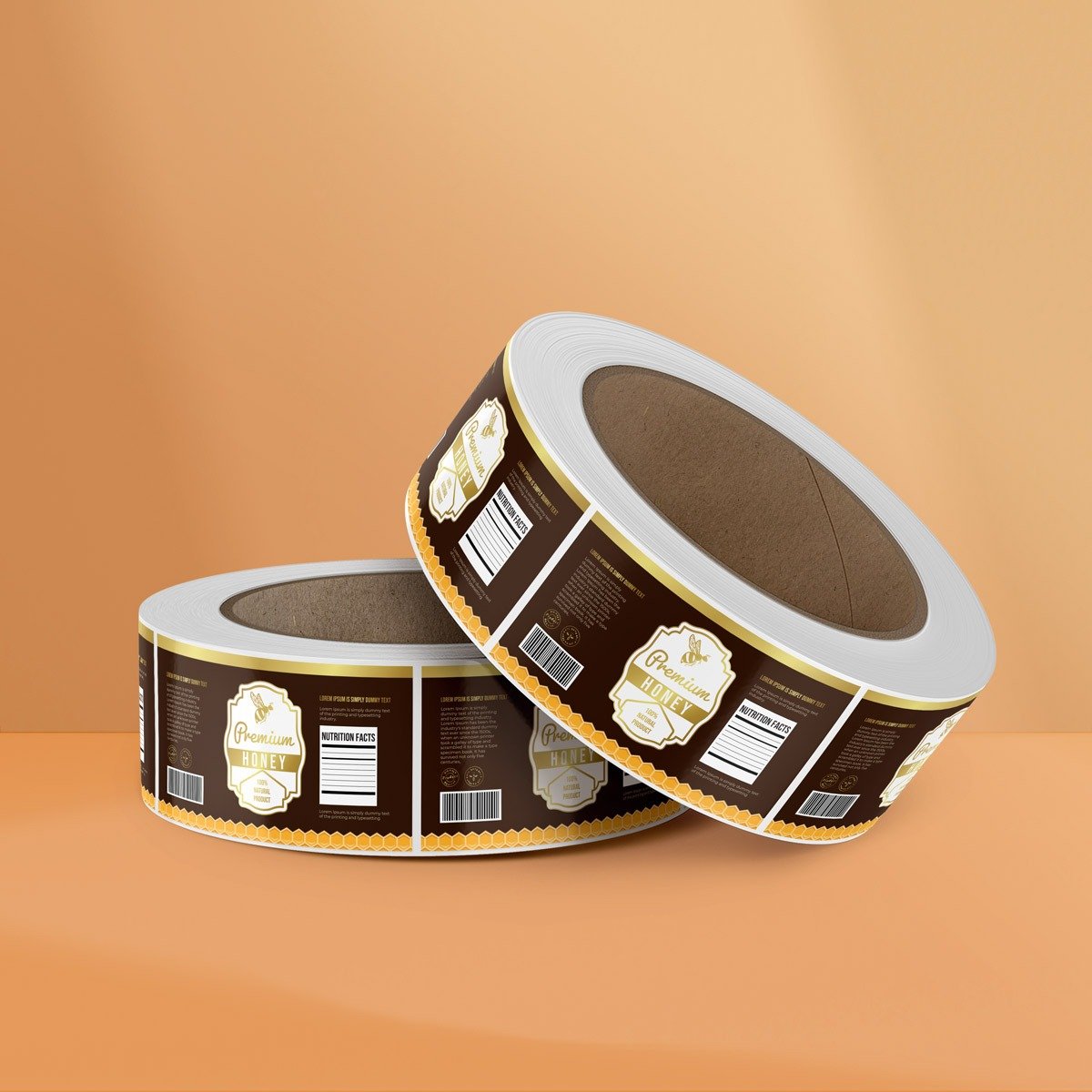
When launching a new product, most business owners focus on factors such as product quality, pricing, and marketing. While all these elements are important, there is another aspect that can significantly influence customer perception. That aspect is product labelling. A well-designed label does much more than display information. It helps create a strong first impression, builds trust, and allows customers to connect with your brand.
In today’s competitive marketplace, customised labels in Australia have become an important part of modern product packaging. Whether you are selling food products, beverages, cosmetics, health products, or handmade goods, the right label can help your product stand out. Since customers often make purchasing decisions within seconds, having an attractive and informative label can make a meaningful difference.
Many businesses assume that labels are simply stickers placed on packaging. However, labels are often the first thing customers notice when they see a product on a shelf or online. Hence, investing time and effort into label design can help businesses create a stronger brand identity and improve customer recognition over time.
Why Labels Matter More Than Ever
Consumer expectations continue to evolve every year. Customers are no longer looking only for quality products. They also want products that look professional, trustworthy, and visually appealing.
A label serves as a direct communication tool between a business and its customers. It provides important details about the product while also reflecting the brand’s personality. For example, a premium skincare product may use elegant typography and minimalist design, whereas an organic food product may focus on natural colours and sustainable packaging.
Hence, businesses that pay attention to their labels often create a more memorable customer experience.
See also: How Technology Is Supporting Safer Online Experiences
The Connection Between Labels and Brand Recognition
Building a brand takes time and consistency. One of the easiest ways to create consistency is through product packaging and labels.
When customers repeatedly see the same colours, fonts, logo placement, and design style, they begin to recognise the brand instantly. This recognition can influence future purchasing decisions and encourage customer loyalty.
A strong label design often includes:
- Consistent brand colors
- Easy-to-read typography
- Clear product information
- Professional layout
- High-quality print finishes
- Visual elements that reflect brand values
These elements work together to create a recognisable identity that customers can trust.
Choosing the Right Label Materials
Selecting the right material is just as important as creating an attractive design. Different products require different label materials depending on their usage and storage conditions.
For example, products exposed to moisture, refrigeration, or outdoor environments may require more durable materials. On the other hand, products intended for short-term use may perform well with traditional paper labels.
Businesses should consider factors such as:
- Product environment
- Durability requirements
- Brand image
- Sustainability goals
- Budget considerations
Hence, understanding the label’s purpose before selecting materials can help avoid costly mistakes later.
The Growing Importance of Sustainable Labelling
Sustainability has become a major consideration for businesses across many industries. Customers are increasingly interested in environmentally responsible packaging solutions and often prefer brands that demonstrate sustainable practices.
Many businesses are now exploring eco-friendly materials, recyclable packaging options, and responsible printing methods. Sustainable labels can help businesses reduce environmental impact while also strengthening customer trust.
For businesses that want to appeal to environmentally conscious consumers, sustainable packaging choices can become an important part of their overall branding strategy.
Understanding Compliance and Product Information
Apart from branding, labels also play an important role in compliance. Depending on the industry, labels may be required to display specific information to meet regulations and consumer expectations.
Food products, beverages, cosmetics, and health-related items often require accurate product information. This may include ingredients, usage instructions, warnings, nutritional details, or manufacturing information.
Providing clear and accurate information helps customers make informed decisions. It also demonstrates professionalism and transparency, which are essential for building long-term trust.
Design Trends Shaping Modern Labels
Label design trends continue to evolve as businesses look for new ways to attract attention. While trends change over time, the goal remains the same: creating a memorable experience for customers.
Some popular design approaches include minimalist layouts, bold typography, premium finishes, and clean visual storytelling. Matte finishes, textured materials, and simple colour palettes have also become increasingly popular across various industries.
However, businesses should focus on creating labels that reflect their unique identity rather than blindly following trends. A design that aligns with brand values will often remain effective for longer.
Creating a Strong First Impression
First impressions are extremely important in retail environments. Customers may not always have the opportunity to test a product before purchasing it. As a result, they often rely on visual cues to judge quality and credibility.
A professionally designed label can immediately communicate attention to detail and product value. It can also help distinguish a product from competing options displayed nearby.
Hence, businesses that invest in thoughtful label design often improve both product presentation and customer confidence.
Final Thoughts
Product labels have evolved far beyond their traditional purpose. Today, they serve as powerful branding tools that influence customer perception, support compliance, and help products stand out in crowded markets.
Whether you are launching a new product or refreshing existing packaging, taking a strategic approach to label design can deliver long-term benefits. By focusing on material selection, sustainability, brand consistency, and customer experience, businesses can create labels that not only inform but also inspire confidence and loyalty.
As competition continues to grow across industries, the businesses that pay attention to every detail, including their labels, are often the ones that leave a lasting impression.
