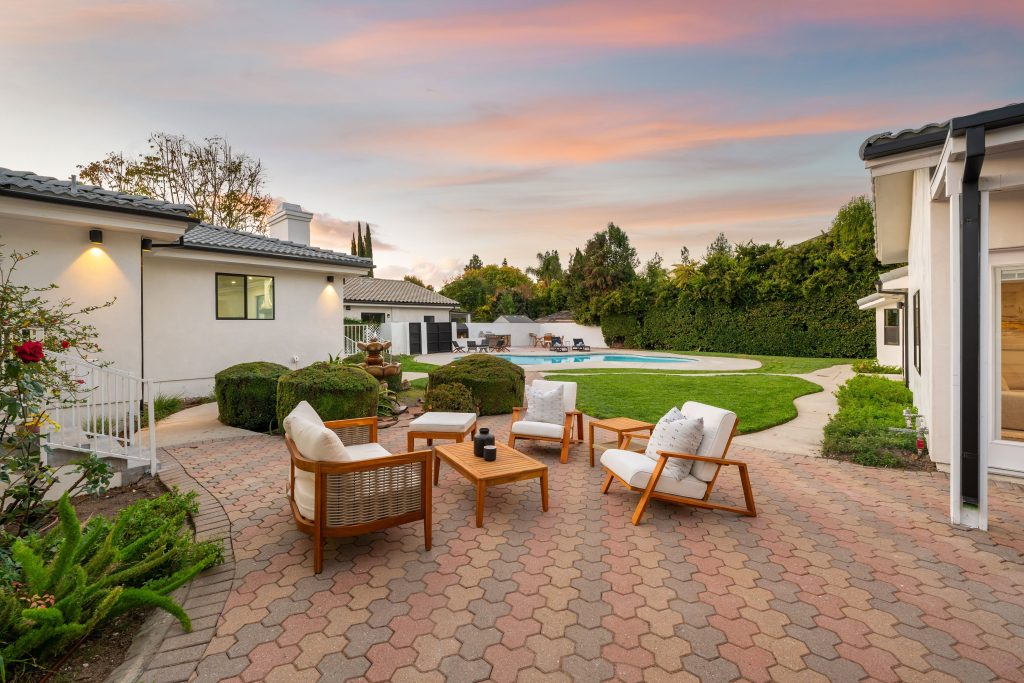
A well-designed outdoor area can become one of the most enjoyable parts of a home. Whether you have a spacious backyard, a compact patio, or a simple balcony, the right furniture can turn an unused area into a comfortable place for relaxing, dining, and entertaining.
Choosing patio furniture involves more than picking attractive pieces. Size, layout, materials, comfort, and proper setup all affect how useful your outdoor space will be. Professional patio furniture assembly can also make the process easier when furniture arrives with multiple components or detailed instructions.
With thoughtful planning and the right furniture choices, you can create an outdoor living space that looks inviting and works well for everyday use.
Start With Your Outdoor Space
Before buying furniture, take time to understand the space you are working with. A patio that looks large when empty can quickly feel crowded after adding a dining set, lounge chairs, and accessories.
Measure the available area and consider how people will move through it. Think about doors, steps, walkways, grills, planters, and other permanent features that may affect furniture placement.
See also: Adding Spouses and Children to an Expat Group Medical Plan
Measure Before You Buy
Accurate measurements can prevent many common patio furniture problems. Measure both the overall space and the specific areas where you intend to place furniture.
Leave enough room around chairs and tables so people can sit down and move comfortably. For smaller patios, consider multifunctional furniture that provides useful seating without overwhelming the available space.
It is also important to check the dimensions of the furniture when assembled rather than relying only on package measurements. If a piece requires assembly, make sure there is enough room to build it safely before moving it into its final position.
Define How You Will Use the Area
Think about your primary reason for creating an outdoor living space. A family that enjoys outdoor meals may need a dining table and comfortable chairs, while someone who prefers quiet evenings may benefit more from lounge seating.
Consider these common uses:
- Outdoor dining and family meals
- Casual conversations with guests
- Reading or relaxing
- Entertaining friends
- Seasonal gatherings
- Flexible space for multiple activities
Once you identify your priorities, selecting furniture becomes much easier. Instead of buying individual pieces simply because they look appealing, you can build a coordinated setup around how you actually use the space.
Choose Patio Furniture for Comfort and Function
Comfort should be a major consideration when selecting outdoor furniture. Attractive furniture may improve the appearance of a patio, but it should also encourage people to spend time there.
Look for seating with appropriate dimensions, supportive designs, and cushions or surfaces suited to outdoor use. At the same time, consider how easy each piece will be to maintain throughout the year.
Select the Right Seating
Seating often becomes the centerpiece of an outdoor living area. Depending on your needs, you might choose lounge chairs, benches, sofas, dining chairs, or a combination of different options.
Think about how many people you normally host and whether you want flexible seating arrangements. Lightweight chairs can be easier to move, while larger seating pieces can create a more permanent gathering area.
Do not overlook the height of tables and chairs. Dining furniture should work together comfortably, while lounge furniture should provide a relaxed arrangement for conversation and downtime.
Consider Materials and Maintenance
Outdoor furniture is exposed to changing weather conditions, so material selection matters. Different materials have different maintenance requirements, appearances, and levels of durability.
When comparing options, consider:
- Exposure to sun and rain
- Cleaning requirements
- Cushion storage needs
- Available covered or shaded areas
- Seasonal storage options
Choose materials that fit both your environment and your willingness to maintain them. A practical choice is often better than furniture that requires more care than you are prepared to provide.
Create a Practical Patio Layout
Once you have selected suitable furniture, the next step is arranging it effectively. A thoughtful layout can make even a modest patio feel organized and inviting.
Start by identifying a focal point or primary activity area. You might position seating around a table, arrange lounge chairs toward a garden view, or create a central conversation area.
Keep Traffic Flow in Mind
Furniture should support movement rather than create obstacles. Avoid blocking entrances, narrow walkways, or frequently used paths through the yard.
Try placing larger pieces first and then filling the remaining space with smaller items. This approach makes it easier to maintain clear pathways while creating a balanced appearance.
For example, a dining table can define one section of a large patio, while lounge chairs occupy another. On a smaller patio, a compact table and two or three versatile chairs may provide everything needed without making the area feel cramped.
Balance Comfort With Visual Appeal
A comfortable outdoor space should also feel cohesive. Choose furniture pieces that complement one another in scale, style, and overall appearance.
You can create visual balance by grouping furniture according to purpose. A dining area might have a table and matching chairs, while a separate seating area could include lounge chairs and a small side table.
Avoid filling every empty corner. Leaving some open space can make the patio feel more spacious and gives you flexibility to rearrange furniture for different occasions.
Make Patio Furniture Assembly Part of the Plan
Buying quality outdoor furniture is only part of the project. Many patio sets arrive in multiple boxes with numerous parts, fasteners, and assembly steps. Rushing through the process can make setup frustrating and may result in improperly assembled furniture.
Planning for patio furniture assembly from the beginning can help ensure your new furniture is ready to use as intended. For larger or more complicated pieces, professional patio furniture assembly services can save time and simplify the setup process.
Prepare Before Assembly
Before beginning assembly, inspect the boxes and confirm that all components and hardware are present. Read the instructions carefully and identify the tools required.
Choose a clean, level workspace where parts can be organized. Keeping screws, brackets, and other small components separated can make the process much more manageable.
If the furniture is particularly large or complex, consider whether you have enough space, tools, and time to complete the project properly. We Install It provides patio furniture assembly services designed to help homeowners handle furniture setup more conveniently.
Know When Professional Assembly Makes Sense
Some patio furniture can be assembled quickly, while larger sets may require more time and coordination. Professional help can be particularly useful when multiple pieces need to be assembled or when instructions are complicated.
Professional patio furniture assembly can be a practical option when:
- The furniture contains many components
- Several pieces need to be assembled
- The furniture is large or difficult to handle
- You have limited time for home projects
- You want the setup process handled efficiently
We Install It can help take the assembly workload off your schedule, allowing you to focus on arranging and enjoying your outdoor space rather than spending hours putting furniture together.
Add Finishing Touches to Your Outdoor Living Area
Once the main furniture is in place, consider the details that make the space feel complete. Accessories can add personality while improving the functionality of your patio.
Keep additions purposeful. Outdoor rugs, cushions, side tables, umbrellas, and decorative elements can help define different areas without making the space feel overloaded.
Use Accessories Strategically
Accessories should complement the furniture rather than compete with it. A small side table beside a lounge chair can provide a convenient surface for drinks or books, while an outdoor rug can visually define a seating area.
Consider adding elements that support your preferred activities. If you regularly entertain guests, extra movable seating may be more useful than purely decorative pieces.
You can also use cushions and textiles to introduce seasonal changes. Swapping accessories is often an easy way to refresh the appearance of an outdoor living space without replacing the main furniture.
Plan for Seasonal Changes
Outdoor furniture may need to be rearranged, covered, cleaned, or stored depending on the season and local weather. Planning for these changes can help you get more value from your investment.
Create a simple seasonal routine that includes checking furniture connections, cleaning surfaces, storing removable cushions, and reviewing the overall layout.
If you purchase additional outdoor furniture during the year, professional patio furniture assembly services can also make future additions easier to incorporate into your existing setup.
Conclusion
Creating a comfortable outdoor living space starts with choosing patio furniture that matches your available space, lifestyle, and maintenance preferences. Measuring carefully, selecting comfortable seating, planning traffic flow, and creating purposeful zones can transform an ordinary patio into a practical extension of your home.
Proper patio furniture assembly is another important part of the process, particularly for larger or more complicated furniture sets. When the setup becomes time-consuming, professional patio furniture assembly services can make the project more convenient.
With thoughtful furniture selection, an efficient layout, and the right finishing touches, your outdoor area can become a welcoming place for dining, relaxing, and entertaining.
