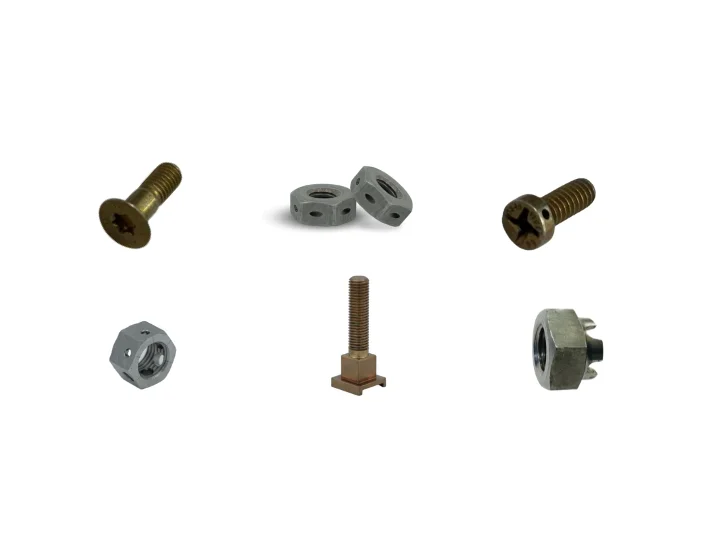
An Aircraft is held together through millions of small connections, and each one carries part of the entire load. A single substandard bolt can undo the work of an entire assembly. Procurement teams often weigh cost first, yet the cheapest hardware rarely stays cheap once failures, recalls and grounded aircraft enter the real calculation.
Trusted aerospace fastener suppliers protect your programmes by delivering parts that meet exact specifications long before they reach the line. That assurance shortens approvals and steadies the whole production schedule. The advantage lies in consistency rather than headline pricing, because a part that performs every time removes the hidden costs that quietly erode margins later on.
When Cheap Hardware Turns Into Costly Liability
The Real Price Of A Failed Fastener: Counterfeit and non-conforming parts slip into supply chains more often than buyers expect. A fastener that looks correct may carry the wrong alloy, a poor heat treatment or forged paperwork. In flight-critical positions, that gap turns small savings into structural risk and the sort of investigation no manufacturer wants on its record.
Where Hidden Defects Stay Out Of Sight: Many faults never show on the surface. Internal cracks and weak grain structure stay invisible until load finally exposes them. This is why non-destructive testing belongs at the centre of serious quality control, since it catches flaws that visual inspection alone will miss. Cutting it to save a few pence per unit gambles with parts that cannot fail.
Failures Rarely Stay Contained: One defective batch seldom causes a single problem. It triggers stop-ship notices, frantic root-cause reviews and awkward conversations with the customer who trusted your supply chain. The cost of replacing a cheap bolt is trivial next to lost flight hours and the reputational damage that follows a quality escape into a finished aircraft.
See also: How Technology Is Supporting Safer Online Experiences
Proof That Travels With Every Part
A Paper Trail You Can Actually Trust: Every aerospace component should carry its history from raw billet to finished thread. Material traceability links each batch to its mill certificates and processing records, so any concern can be traced back to source within hours. When a question arises mid-programme, that documented chain decides whether you contain the issue or ground a fleet.
Testing That Mirrors Real Conditions: Certificates mean little without testing that reflects how a part behaves in service. Tensile pulls, hardness checks and salt-spray exposure reveal whether hardware survives the vibration and corrosion of daily operation. Reputable suppliers work to recognised standards such as AS9100 and NADCAP, then keep the records ready for any audit your customer demands.
Standards That Leave No Grey Areas: Aerospace specifications exist because guesswork has no place near a wing. ISO 9001 systems, NAS and ASME callouts define how a part is made, measured and accepted before it ever ships. Suppliers who treat these standards as the baseline, not an optional extra, give you parts that drop straight into qualified assemblies.
Experience That Earns Its Keep
Judgement Built Over Many Decades: Seasoned suppliers have seen the failure modes that catch newcomers off guard. They know which coatings gall under torque and where tolerances quietly drift across a long production run. That hard-won judgement turns into fewer rejected lots and steadier deliveries, worth far more than a marginally lower quote on paper.
What Established Partners Bring To The Table: A manufacturer with genuine depth behind it tends to deliver value that a low-cost broker simply cannot match. The difference shows across the life of a programme rather than on a single invoice:
- Consistent lot quality backed by in-house inspection and full documentation for every shipment.
- Faster problem resolution because their engineers understand the parts rather than only selling them.
- Flexible capacity that absorbs sudden demand without compromising inspection or agreed delivery dates.
- Stable long-term pricing that shields your budget from the volatility of spot-market buyers.
Shrinking Risk Right Across The Supply Chain
Fewer Links, Fewer Weak Points: A long supply chain hides risk at every handover between broker, distributor and processor. Buying from a maker that controls forming, treatment and inspection under one roof closes those gaps. You gain a single accountable source, clearer communication and parts whose origin is never in doubt when a regulator starts asking pointed questions.
Cheap Now, Expensive Later: A lower unit price feels like a win until you tally inspection overtime, rejected shipments and the AOG events that idle an aircraft. Risk-adjusted cost tells the honest story, and inferior fasteners almost always lose that comparison. Spending sensibly on verified hardware protects margins that a bargain purchase can wipe out in a single grounding.
Predictable Supply Under Real Pressure: Disruption tests every relationship in procurement. Established suppliers carry the stock, the second-source plans and the inspection capacity to keep parts moving when others stall. That reliability protects your schedule during shortages and price spikes, which is exactly when a quick saving on inferior hardware tends to cost the most.
Building Aircraft That Stay In The Sky
Price will always matter, yet in aerospace it cannot sit above the certainty that every fastener performs its due function. Quality control, traceability and proven testing keep aircrafts safe and programmes profitable over the long run. The smartest buyers treat their hardware source as a safeguard rather than a line item to squeeze. Choose a supplier whose standards match the stakes you fly with.
