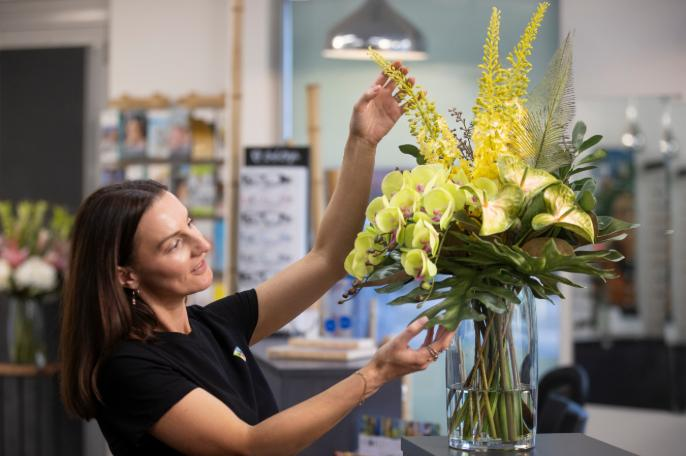
Starting a business does not always require a traditional retail shop, a large inventory of perishable products or fixed daily trading hours. Many entrepreneurs are exploring service-based business models that offer flexibility while meeting the ongoing needs of other businesses. One emerging opportunity within the decorative services sector is the artificial flower rental industry.
An artificial flower franchise offers a business model centred on supplying professionally designed artificial floral arrangements to commercial spaces, often through ongoing rental or subscription services. Instead of selling flowers as one-time purchases, franchise operators can build relationships with businesses that want their interiors to look attractive throughout the year. Understanding how this model works, its operational requirements and its potential challenges can help prospective business owners decide whether it suits their goals.
What Is an Artificial Flower Franchise?
An artificial flower franchise is a business arrangement in which an individual operates a floral decoration service under an established franchise system. The business generally focuses on providing decorative artificial flower arrangements to offices, hotels, medical facilities, retail stores and other commercial environments.
Unlike a conventional florist, which primarily sells fresh flowers for individual occasions, this business model can focus on longer-term customer arrangements.
A typical service may include:
- Supplying professionally designed artificial floral displays.
- Installing arrangements in customer premises.
- Offering recurring rental or subscription services.
- Replacing existing displays with updated designs.
- Maintaining customer relationships through scheduled visits.
This approach combines interior decoration with ongoing customer service, creating opportunities to develop repeat business rather than relying entirely on individual transactions.
See also: Critical Illness Insurance vs Life Insurance: Which Protection Do You Need?
How Does the Artificial Flower Franchise Business Model Work?
Understanding the operating model is important before entering any franchise opportunity. An artificial flower rental business generally follows a recurring service process.
1. Finding and Connecting With Business Customers
The first step involves identifying organisations that could benefit from decorative floral arrangements.
Potential customers include:
- Corporate offices and reception areas.
- Hotels and hospitality venues.
- Medical centres and healthcare facilities.
- Aged care facilities.
- Retail stores and showrooms.
- Real estate offices.
- Educational and professional institutions.
The objective is to understand each customer’s interior requirements and recommend arrangements that complement their surroundings.
2. Providing an Initial Floral Display
After identifying a potential customer, the operator may arrange a demonstration or introductory display. This allows the business to showcase the appearance, quality and suitability of its artificial flowers.
An initial trial can help customers understand how floral arrangements might improve their environment before committing to an ongoing service.
3. Establishing Recurring Rental Agreements
Once a customer decides to continue, the service may move into a recurring rental or subscription arrangement.
Customers receive floral displays according to agreed terms, while the franchise operator manages delivery, placement and scheduled replacements.
This model can create repeat billing opportunities and help establish longer-term customer relationships.
4. Managing Regular Floral Refreshes
One important part of the service is keeping commercial interiors visually interesting.
Arrangements may be replaced monthly or according to the agreed service schedule. Different flower varieties, colours and decorative styles can be introduced to maintain a refreshed appearance.
Why Is This Franchise Model Attracting Entrepreneurial Interest?
The artificial flower rental industry offers an alternative to traditional flower retailing. Its business structure focuses on recurring services, commercial customers and ongoing relationships.
Recurring Revenue Opportunities
One-time sales can make monthly revenue less predictable. A subscription-based arrangement provides an opportunity to develop recurring income from existing customers.
However, recurring payments are not guaranteed profits. Business owners still need to manage operating expenses, customer retention and service delivery.
No Requirement for a Traditional Retail Shopfront
Depending on the franchise structure, operators may be able to manage the business without maintaining a conventional retail store.
This can reduce the need for a customer-facing shop location, although storage, transportation and operational facilities may still be required.
Demand Across Different Commercial Sectors
Businesses in several industries invest in creating welcoming interiors.
For example, hotels want attractive guest environments, corporate offices want professional reception areas, and healthcare facilities often aim to create comfortable waiting spaces.
This variety gives franchise operators opportunities to approach different types of commercial customers.
Opportunities to Build Long-Term Relationships
The service depends on regular communication and consistent delivery. Franchise operators can develop relationships with business owners, office managers and facility managers through ongoing customer visits.
What Skills Are Needed to Operate an Artificial Flower Franchise?
Previous experience in floristry is not necessarily the only factor that determines success. Business development, organisation and customer service are equally important.
Some useful skills include:
- Communication: Building relationships with business owners and decision-makers.
- Sales: Explaining the value of recurring floral decoration services.
- Time management: Organising customer visits and replacement schedules.
- Organisation: Managing inventory, deliveries and customer records.
- Business development: Identifying new markets and expanding the customer base.
- Customer service: Responding to requests and maintaining service quality.
Entrepreneurs should also be comfortable working independently and managing day-to-day business responsibilities.
What Should You Consider Before Investing in a Franchise?
Not every franchise opportunity will suit every entrepreneur. Before making an investment, it is important to evaluate the business structure and understand the responsibilities involved.
Initial Investment and Ongoing Expenses
Review the complete financial requirements, including the initial franchise fee, inventory, equipment, vehicle expenses, marketing costs and ongoing royalties.
It is also important to understand how much working capital may be required during the early stages of operation.
Territory and Market Potential
A franchise territory should have enough suitable commercial businesses to support customer acquisition and future expansion.
Research the number of offices, hotels, healthcare facilities and retail businesses within the proposed service area.
Training and Business Support
Understand what training is provided and whether support is available for sales, marketing, inventory management, customer service and daily operations.
Revenue Structure and Customer Retention
Ask how recurring payments are structured, how customer agreements operate and what happens when a customer cancels.
Review realistic financial projections rather than relying only on advertised earning potential.
Franchise Agreement and Responsibilities
Read the franchise agreement carefully. Pay attention to territory restrictions, renewal conditions, fees, marketing obligations and exit arrangements.
Speaking with existing franchise operators can also provide valuable insight into the actual experience of running the business.
How Can Franchise Owners Grow Their Customer Base?
Long-term growth depends on developing a consistent approach to customer acquisition and retention.
Focus on Commercial Relationships
Building connections with office managers, property managers, hotel operators and business owners can create opportunities for recurring service agreements.
Demonstrate the Value of the Service
Use sample arrangements and demonstrations to show how professionally styled flowers can improve the appearance of a commercial interior.
Maintain Consistent Service Quality
Reliable delivery, attractive arrangements and timely replacements help build customer confidence and encourage long-term relationships.
Explore Different Business Sectors
Rather than depending on one industry, operators can approach multiple commercial sectors to diversify their customer base.
Is an Artificial Flower Franchise the Right Business Opportunity?
An artificial flower franchise may appeal to entrepreneurs interested in combining sales, customer service and interior decoration within a recurring service business.
However, success depends on several factors, including territory potential, operating expenses, customer acquisition, service quality and the level of ongoing support available.
It is important to assess the business model carefully and understand the financial commitments before making a decision.
Final Thoughts
The artificial flower rental industry offers an interesting alternative to conventional floral retailing by combining decorative products with recurring commercial services. Its focus on business customers, scheduled floral replacements and ongoing relationships creates a different approach to operating within the floral industry.
Exploring an artificial flower franchise requires more than an interest in floral design. Prospective owners should evaluate the investment, understand the operating model and consider the time needed to develop a reliable customer base. With careful planning, strong business relationships and consistent service delivery, this type of business can offer an opportunity for entrepreneurs interested in the commercial decoration sector.
