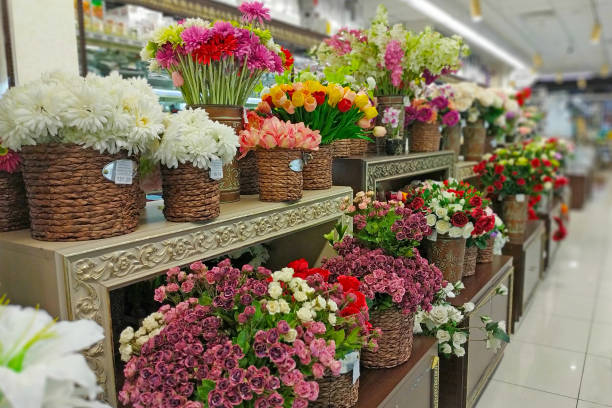
The floral décor market has expanded beyond traditional fresh flowers, with artificial blooms becoming an increasingly versatile choice for homes, offices, events and commercial spaces. Improvements in materials, colours and manufacturing techniques have made artificial flowers available in realistic designs that can complement a wide range of interior styles.
For entrepreneurs interested in the floral and décor industry, an Artificial Flower Franchise can provide a structured way to enter this market. A franchise model may combine an established business system with products, operational guidance and other forms of support, depending on the agreement.
At the same time, changing customer preferences for convenient and long-lasting décor are creating opportunities across different segments of the floral market. Understanding these trends can help prospective business owners assess where artificial floral products fit within the wider industry.
Understanding the Artificial Flower Market
Artificial flowers are designed to recreate the appearance of natural flowers while generally requiring less ongoing maintenance. They can be used for both temporary decorations and long-term interior styling.
Modern artificial blooms are available in numerous varieties, including roses, orchids, lilies, peonies and seasonal flowers. They can also be combined with foliage, decorative branches and other elements to create detailed arrangements.
Why Artificial Flowers Are Becoming Popular
Several practical characteristics make artificial flowers suitable for different customers:
- They do not require watering or sunlight.
- They can be displayed for extended periods.
- They are suitable for locations where fresh flowers may be impractical.
- They can be reused for different occasions.
- They are available throughout the year.
- They can be incorporated into many interior design styles.
These characteristics make artificial floral products relevant to residential, commercial and event décor.
The Role of an Artificial Flower Franchise
An Artificial Flower Franchise generally operates under a franchise agreement between a business owner and a franchisor. The exact structure varies, so prospective franchisees should carefully review the terms before committing.
Depending on the business model, franchise support may cover areas such as product sourcing, branding, training, marketing systems and operational processes.
What a Franchise Model May Include
Potential areas of support can include:
- Initial business and operational guidance
- Product and supplier information
- Staff training
- Marketing resources
- Store or showroom guidance
- Sales and customer-service processes
- Ongoing business support
The specific services, fees, responsibilities and restrictions should always be confirmed from the relevant franchise agreement and disclosure documents.
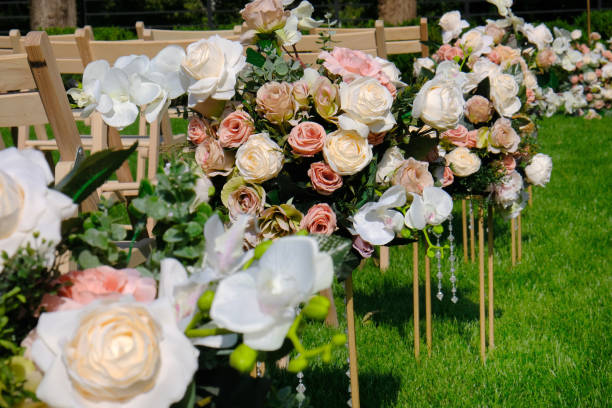
Connecting Artificial Flowers With Luxury Floral Décor
Artificial flowers are not limited to simple decorative pieces. They can also be used to create sophisticated displays for high-end interiors and events.
For example, luxury flower arrangements in New York may inspire customers looking for elaborate floral styling, particularly for weddings, corporate events, hospitality spaces and private celebrations. While fresh flowers remain important in the luxury floral sector, carefully designed artificial displays can offer another option for customers seeking an elegant appearance with different maintenance requirements.
Creating Premium-Looking Displays
A sophisticated artificial arrangement depends on more than the flowers themselves. Design elements such as proportion, colour and texture can significantly affect the finished appearance.
Consider:
- Combining different flower sizes
- Using realistic foliage
- Selecting complementary colours
- Choosing suitable vases
- Creating balanced arrangements
- Incorporating seasonal design themes
The objective is to create a cohesive display rather than simply grouping several artificial flowers together.
Opportunities Across Different Customer Segments
One advantage of the artificial floral market is its broad range of potential applications. A business can serve customers looking for individual decorative pieces as well as larger installations.
Residential customers may use artificial flowers for living rooms, dining areas, bedrooms and entrances. Businesses can use them in reception areas, offices, restaurants and hospitality settings.
Event customers may require larger installations, including flower walls, arches, table arrangements and stage decorations.
Potential Market Segments
An artificial floral business can potentially serve:
- Home décor – Arrangements for everyday interior styling.
- Corporate spaces – Floral displays for offices and reception areas.
- Events – Décor for weddings, parties and conferences.
- Hospitality – Arrangements for hotels, restaurants and venues.
- Retail and commercial spaces – Displays for shops, showrooms and public areas.
This variety can provide businesses with multiple avenues for developing their product offering.
Understanding the Luxury Floral Market
Major cities have diverse floral markets with customers seeking different levels of styling and customisation. The market for luxury flower arrangements in New York, for instance, includes sophisticated designs created for events, businesses, hospitality settings and private occasions.
Studying such markets can provide useful insights into customer expectations around presentation, colour coordination and arrangement design. However, businesses should consider local demand rather than assuming that trends in one city will apply identically elsewhere.
What Customers May Look For
Customers interested in premium floral décor may prioritise:
- Realistic-looking flowers
- High-quality materials
- Customised arrangements
- Professional presentation
- Unique colour combinations
- Suitable containers and accessories
- Reliable delivery or installation
Understanding these expectations can help a floral business develop products for different price and style segments.
Important Factors Before Starting a Franchise
Starting an Artificial Flower Franchise requires careful consideration of both the business model and the wider market. A prospective franchisee should evaluate the opportunity based on documented information rather than relying solely on promotional claims.
Research the Franchise Agreement
Before entering into an agreement, investigate:
- Initial franchise fees
- Ongoing royalty or service fees
- Territory restrictions
- Supplier requirements
- Training and support
- Marketing obligations
- Contract duration and renewal terms
- Exit conditions
- Expected operating expenses
Professional legal and financial advice can also help when reviewing franchise documentation.
Building a Strong Artificial Floral Collection
A varied product range can help address different customer requirements. Instead of focusing exclusively on one type of arrangement, businesses can consider offering products across multiple styles and price points.
A collection might include small tabletop arrangements, larger floor displays, seasonal decorations, wedding pieces and customised installations.
This approach can also allow customers to find products suitable for both everyday décor and special occasions.
Future Trends in Floral Décor
The floral décor market continues to evolve alongside changes in interior design and event styling. Customers increasingly have access to different floral options, from fresh and preserved flowers to artificial arrangements and rental décor.
Sustainability, convenience, realism and customisation are among the factors that can influence purchasing decisions. Businesses that understand these changing expectations can adapt their collections and services accordingly.
Conclusion
The artificial floral sector offers a wide range of applications, from residential decoration to corporate environments, hospitality and large-scale events. An Artificial Flower Franchise can provide a structured business model for entrepreneurs exploring this sector, although the suitability of any franchise depends on its specific terms, costs and support structure.
The wider luxury floral market also demonstrates the importance of design, presentation and customer experience. Trends associated with luxury flower arrangements in New York and other major markets can offer useful inspiration for developing sophisticated artificial floral products.
With careful market research, appropriate product selection and a clear understanding of franchise responsibilities, entrepreneurs can better assess the opportunities available within the evolving floral décor market.
