
Roof gutters are an important part of a property’s drainage system. They collect rainwater from the roof and direct it towards downpipes and suitable drainage areas. When gutters become severely damaged or worn, they may no longer manage rainwater effectively, potentially exposing the property to water-related problems.
While some gutter issues can be resolved through cleaning or repairs, there are situations where replacement may be the more practical option. Knowing the warning signs can help homeowners determine when it may be time to Replace Gutters in Newcastle and prevent further deterioration.
Why Are Gutters Important?
Gutters help control the flow of rainwater around a property and are an essential part of effective roof drainage. If you are considering Replace Gutters in Newcastle, it is important to ensure the new system is properly designed to direct water away from vulnerable areas. Without a functioning gutter system, water can run directly from the roof onto exterior walls, windows, landscaping and foundations.
A properly maintained gutter system can help:
- Direct rainwater away from the building
- Reduce water pooling around foundations
- Protect exterior walls from excessive runoff
- Minimise water-related staining
- Support effective roof drainage
- Reduce the risk of moisture entering vulnerable areas
When gutters become damaged or poorly functioning, their ability to perform these tasks can be reduced.
See also: How to Create a Comfortable Outdoor Living Space With the Right Patio Furniture
Signs You May Need to Replace Your Gutters
1. Extensive Rust and Corrosion
Rust can be a significant concern for metal gutter systems. Small areas of surface corrosion may sometimes be treated, but extensive rust can weaken the gutter material.
If corrosion has resulted in multiple holes, thin sections or widespread deterioration, repairing individual areas may no longer provide a reliable long-term solution.
In these circumstances, replacing the affected gutter sections or the complete system may be considered.
2. Frequent Leaks
An occasional leak caused by a damaged joint may be repairable. However, repeated leaks across several sections can indicate that the gutter system is reaching the end of its useful service life.
If sealants and minor repairs repeatedly fail to resolve the problem, a professional inspection can determine whether replacement is more appropriate.
3. Gutters Are Sagging or Pulling Away
Gutters should remain securely attached to the roofline and maintain an appropriate slope for water drainage.
If sections are visibly sagging, pulling away from the fascia or holding standing water, there may be problems with the supports or the gutter material itself.
What Causes Gutter Sagging?
Common contributing factors can include:
- Damaged or loose brackets
- Excessive debris
- Prolonged water accumulation
- Deteriorated gutter material
- Age-related wear
If replacing the brackets does not correct the problem, replacing the affected gutter sections may be necessary.
4. Cracks and Holes Are Becoming More Common
Small cracks or holes can sometimes be repaired. However, multiple damaged areas suggest that the gutter material may be deteriorating.
As gutters age, repeated exposure to moisture, weather and physical impact can contribute to damage. If new cracks or holes continue to appear after repairs, replacement may offer a more practical solution.
5. Water Is Constantly Overflowing
Gutter overflow is often caused by blockages, but persistent overflow can also indicate a larger drainage problem.
If gutters have been cleaned and water continues to overflow, the system may have issues with its slope, capacity, positioning or structural condition.
A professional inspection can help determine whether the problem can be corrected through adjustment or whether replacement is required.
6. Peeling Paint or Water Stains Around the Property
Water escaping from damaged gutters can affect nearby fascia, soffits, walls and other exterior surfaces.
Signs such as peeling paint, staining or persistent damp areas around the roofline may indicate that water is not being directed correctly.
These signs should not automatically be attributed to gutter failure, as other roof or drainage issues can cause similar symptoms. A professional inspection can help identify the actual source.
7. Gutters Are Showing Their Age
Gutters do not last indefinitely. Their lifespan depends on factors such as material, installation quality, environmental exposure and maintenance.
Older gutters may become more susceptible to leaks, corrosion, cracks and loose connections. If an ageing system is experiencing several problems at once, replacement may be worth considering instead of repeatedly repairing individual sections.
Repair or Replace Your Gutters?
One of the most common questions homeowners have is whether damaged gutters should be repaired or replaced.
When Repair May Be Suitable
Repair may be appropriate when:
- Damage is limited to one small area
- Gutter joints have become loose
- A small leak can be effectively sealed
- Brackets need adjustment or replacement
- The remaining gutter material is in good condition
When Replacement May Be More Appropriate
Replacement may be considered when:
- Rust and corrosion are widespread
- Multiple sections are damaged
- Leaks occur repeatedly
- Gutters are severely sagging
- The system is significantly deteriorated
- Repairs are becoming frequent and costly
A professional assessment can help determine the condition of the entire gutter system rather than focusing only on one visible problem.
What Does Gutter Replacement Involve?
When you Replace Gutters in Newcastle, the process generally involves several stages.
Inspection and Planning
The existing gutter system is inspected to determine its condition and identify areas requiring replacement.
Measurements can then be taken to establish the appropriate gutter lengths, connections and downpipe requirements.
Removal of Existing Gutters
The old guttering and relevant fittings are carefully removed. The supporting fascia and roofline areas can then be checked for signs of damage.
Installation of New Gutters
The replacement gutters are installed with appropriate brackets, connections and fall towards the downpipes.
Correct positioning is important because gutters need an effective slope to allow rainwater to flow towards the drainage points.
Final Inspection
After installation, the system should be checked to ensure connections are secure and water can flow correctly through the gutters and downpipes.
How to Maintain New Gutters
Replacing gutters is an investment, so regular maintenance can help keep the new system functioning properly.
Homeowners should consider:
- Removing leaves and debris regularly
- Checking gutters after severe weather
- Inspecting joints for leaks
- Keeping downpipes clear
- Checking for signs of sagging
- Addressing minor damage promptly
Regular inspections can help identify developing problems before they become more extensive.
When Should You Seek Professional Help?
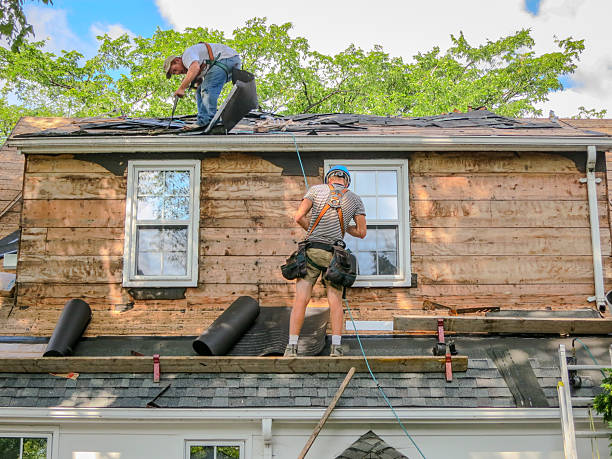
Gutter replacement often involves working at height and handling long sections of guttering. For safety and proper installation, professional assistance may be appropriate.
You should consider arranging an inspection if you notice persistent leaks, extensive rust, repeated overflow, significant sagging or gutters pulling away from the roofline.
A professional can assess whether repairs are sufficient or whether complete or partial replacement is more suitable.
Final Thoughts
Knowing when to replace gutters can help protect a property from drainage problems and unnecessary water exposure. Extensive corrosion, repeated leaks, cracks, sagging and persistent overflow are among the signs that a gutter system may need more than routine maintenance or minor repairs.
If your existing gutters are showing multiple signs of deterioration, Replace Gutters in Newcastle may be a practical option to restore effective rainwater management. A professional inspection can help determine whether repair or replacement is appropriate based on the condition of your gutter system.
