
Losing a tooth can affect your smile, chewing ability and confidence. Although traditional options such as dentures and dental bridges can replace missing teeth, dental implants provide a different approach by replacing the tooth root as well as the visible portion of the tooth.
For patients exploring Dental Implants in North Dallas, understanding the potential benefits and treatment considerations can help them have a more informed conversation with a qualified dental professional. Implant treatment is designed to provide a stable foundation for replacement teeth while supporting everyday oral function.
What Are Dental Implants?
A dental implant is a small fixture that is surgically placed into the jawbone to replace the root of a missing tooth. Once the implant has integrated with the surrounding bone, it can support a dental crown, bridge or denture.
A typical implant restoration consists of three main components:
- Implant fixture: Acts as an artificial tooth root and is placed into the jawbone.
- Abutment: Connects the implant fixture to the replacement tooth.
- Dental crown: Replaces the visible portion of a single missing tooth.
The exact design depends on the number of missing teeth and the individual’s dental needs.
See also: How to Create a Comfortable Outdoor Living Space With the Right Patio Furniture
Benefits of Choosing Dental Implants
Dental implants can provide several potential advantages for suitable patients. However, the results and suitability of treatment can vary depending on oral health, bone condition and other individual factors.
1. Stable Tooth Replacement
One of the primary benefits of an implant is stability. Because the implant is positioned within the jawbone, it provides a firm foundation for the replacement tooth.
This stability can make activities such as eating and speaking more comfortable compared with some removable tooth replacement options.
2. Natural-Looking Appearance
The visible restoration is custom-made to fit the patient’s mouth. A dental crown can be designed to complement the colour, shape and size of surrounding teeth.
When carefully planned, an implant-supported restoration can provide a natural-looking addition to the smile.
For people considering Dental Implants in North Dallas, discussing the desired appearance of the final restoration during the consultation can help establish realistic expectations.
3. Helps Restore Chewing Function
Missing teeth can make it difficult to chew certain foods. A stable implant-supported restoration can help restore some of the function lost following tooth loss.
Patients can discuss dietary expectations and any restrictions with their dental professional, particularly during the healing period.
4. Supports Jawbone Preservation
After a natural tooth is lost, the bone surrounding its root may gradually decrease because it no longer receives the same stimulation.
An implant is positioned within the jawbone and can provide stimulation to the surrounding area. This is an important difference between implants and replacement options that only sit above the gums.
Maintaining available bone can also be relevant to the long-term planning of tooth replacement.
5. Does Not Necessarily Rely on Neighbouring Teeth
A traditional dental bridge may require preparation of adjacent teeth to support the replacement tooth.
A dental implant can provide its own support, which may allow healthy neighbouring teeth to remain independent. Whether this approach is appropriate depends on the patient’s specific dental circumstances.
Who May Be a Candidate for Dental Implants?
Dental implants may be considered for adults who have lost one or more teeth. However, suitability needs to be determined through a professional dental assessment.
Adequate Bone Support
Sufficient jawbone is generally needed to support an implant. Patients who have experienced significant bone loss may sometimes require bone grafting or another preparatory procedure.
Healthy Gums
The condition of the gums is an important consideration. Existing gum disease or other oral health problems may need to be treated before implant placement.
Ability to Maintain Oral Hygiene
Long-term implant care requires regular brushing, interdental cleaning and professional dental examinations. Patients should be prepared to maintain good oral hygiene after treatment.
What Does the Implant Process Involve?
Understanding the treatment process can help patients prepare for the different stages involved.
Initial Consultation
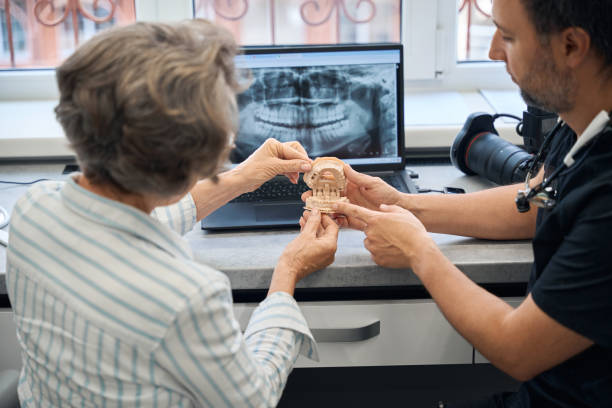
The dentist examines the teeth, gums and jawbone. Dental imaging may be used to assess the available bone and plan the implant position.
The consultation also provides an opportunity to discuss treatment objectives, possible alternatives and the expected timeline.
Implant Placement
Once the treatment plan is established, the implant fixture is placed into the jawbone. Local anaesthesia is generally used during the procedure.
After placement, the implant requires time to integrate with the surrounding bone.
Healing and Osseointegration
Osseointegration is the process through which the implant gradually becomes integrated with the jawbone. This stage is essential for creating a stable foundation for the final restoration.
Healing times differ between patients and can be influenced by bone quality, implant location and individual healing.
Final Restoration
Once the implant has sufficiently healed, an abutment and final restoration can be attached. For a single missing tooth, this will commonly involve a custom dental crown.
The restoration is designed to fit comfortably and complement the surrounding teeth.
What Factors Can Affect Treatment?
Not every patient will have the same implant experience. Several factors can influence treatment planning and recovery.
These may include:
- Number of missing teeth
- Location of the missing teeth
- Jawbone condition
- Gum health
- Need for bone grafting
- Individual healing response
- Existing dental conditions
A comprehensive examination allows the dental professional to identify these factors before treatment begins.
Caring for Dental Implants After Treatment
Good aftercare is important for maintaining the implant and surrounding tissues. Once the final restoration has been placed, patients should continue caring for their oral health.
A regular routine may include:
- Brushing twice daily
- Cleaning between teeth and around the implant
- Attending routine dental examinations
- Following professional hygiene recommendations
- Avoiding habits that could damage the restoration
- Reporting unusual symptoms to your dentist
Although the implant fixture itself cannot develop tooth decay, the surrounding gum tissue and natural teeth remain susceptible to oral health problems.
Questions to Ask Before Implant Treatment
If you are researching Dental Implants in North Dallas, preparing questions for your consultation can help you understand the treatment more clearly.
Consider asking about:
- Whether you are a suitable candidate
- The condition of your jawbone and gums
- Whether additional procedures are required
- The expected treatment timeline
- The type of restoration recommended
- Recovery and aftercare requirements
- Available alternatives to implant treatment
Having a detailed discussion with your dental professional can help you make an informed decision based on your individual circumstances.
Final Thoughts
Dental implants can provide a stable and natural-looking option for replacing missing teeth. Potential benefits include improved stability, restored chewing function, support for jawbone preservation and reduced reliance on neighbouring teeth.
However, implant treatment involves careful planning and a healing period, and it is not suitable for everyone. If you are considering Dental Implants in North Dallas, a qualified dental professional can evaluate your oral health, explain the available options and develop a treatment plan suited to your needs.
