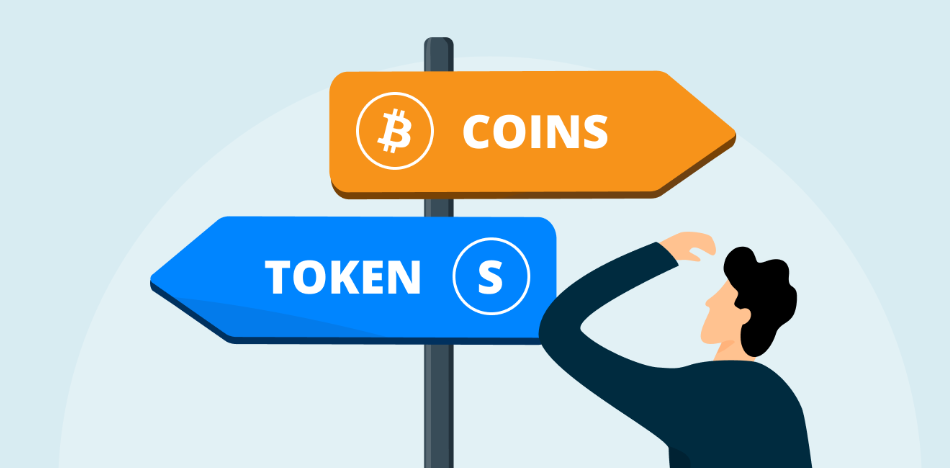
Coins run on their own blockchains and act as secure value transfers and stores of value within their ecosystems. Tokens are programmable assets built on existing networks, relying on smart contracts and network standards. The distinction shapes security, settlement, and governance: coins enable native settlement; tokens enable programmable participation and access to services. In practice, this division affects use cases, incentives, and risk profiles, inviting closer scrutiny of how value is created and captured as networks evolve. The question remains: which framework best aligns with a given objective?
What Are Coins in Blockchain?
Coins in blockchain are native digital assets that operate on their own dedicated networks, using their own blockchains as the foundation. They function as secure transfer instruments and unitary stores of value within decentralized ecosystems. Analysts assess market dynamics through token economics, examining supply caps, issuance schedules, and incentive structures. This lens supports evidence-based decisions while preserving financial freedom and network integrity.
What Tokens Are and How They Differ From Coins
Tokens are programmable digital assets built on existing blockchains that do not rely on their own separate networks; they derive value and utility from smart contracts, standards, and network activity.
Tokens differ from coins in governance, economics, and utility, often governed by token economics and governance models.
They enable programmable participation, staking, and incentives, while coins principally facilitate transfer and settlement.
Key Use Cases for Coins and Tokens
From the broader distinction established earlier, the practical use cases for digital assets split along how they function: coins primarily enable value transfer, settlement, and security of payments, while tokens enable programmable participation, governance, and access to specialized services.
Coin governance emphasizes system-wide oversight and upgrades, whereas token economics governs supply, incentives, and utility within decentralized ecosystems for targeted applications.
How to Evaluate Coins vs Tokens in Real-World Scenarios
Evaluating coins versus tokens in real-world scenarios requires a structured lens: one that weighs underlying architecture, governance mechanisms, and economic incentives against practical use cases and risk factors. This analysis considers pricing models, market dynamics, and security considerations, alongside liquidity channels, regulatory implications, energy usage, and cross chain interoperability.
It also examines privacy features, staking economics, custody solutions, audit practices, and institutional adoption.
Conclusion
Coins and tokens differ in fundamental architecture and use. Coins run on their own blockchains, secure native value, and govern settlement within their network. Tokens live on existing blockchains, are programmable assets, and enable governance, access, or incentives via smart contracts. Coins focus on security and transfer; tokens enable programmability and utility across ecosystems. In practice, evaluate security, liquidity, and interoperability for coins, while assessing utility, governance, and network effects for tokens. Together, they power diverse, layered blockchain economies.
