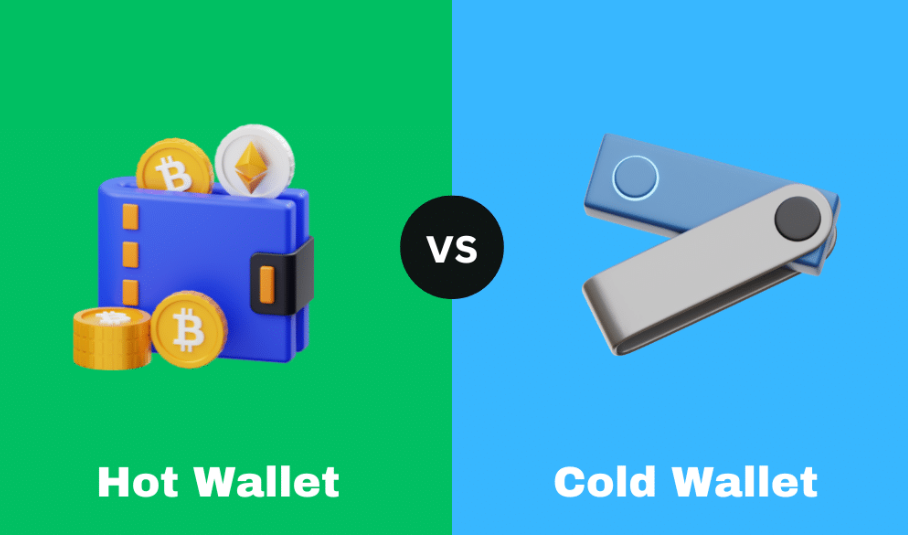
Hot wallets connect to the internet, enabling fast transfers but increasing exposure to online threats. Cold wallets stay offline, reducing attack surfaces but slowing access and use. The core choice weighs accessibility against protection, shaping risk tolerance and recovery options. Security measures differ accordingly: hot wallets rely on online defenses and frequent updates, while cold wallets minimize recovery pathways and exposure. This tradeoff sets the stage for more granular comparisons and practical decisions.
Hot Wallets vs Cold Wallets: Plain Terms and Core Differences
Hot wallets and cold wallets represent two fundamental approaches to storing cryptocurrency, distinguished primarily by their connectivity to the internet and the associated risk profile.
The distinction centers on accessibility versus security: hot wallets enable rapid transactions but expose keys to online threats, while cold wallets isolate keys, reducing exposure at the cost of convenience and speed for hot wallets and cold wallets alike.
See also: What Is the Difference Between Coins and Blockchain Tokens?
Security Mechanisms Compared: How They Protect Your Crypto
Security mechanisms in hot and cold wallets differ fundamentally in scope and execution, with each design addressing distinct threat models and attack surfaces. In a hot wallet, rapid access prioritizes speed, while safeguarding keys through encryption and passcodes, yet exposure to online risks persists.
A cold wallet employs offline storage, eliminating online exposure, but reduces convenience and recovery pathways.
hot wallet, cold wallet.
Decide Now: A Simple Framework for Hot Wallets vs Cold Wallets
Deciding between hot and cold wallets requires a structured assessment of use case, risk tolerance, and operational constraints. The framework emphasizes proportional safeguards, clear governance, and measurable controls.
Evaluate security audits, recovery phrases, and recovery workflows to balance accessibility with resilience.
The approach preserves personal freedom while minimizing exposure, guiding choices without overreliance on any single custody model.
Implement Your Wallet Strategy: Step-by-Step Actions
Implementing a wallet strategy requires a disciplined, step-by-step process that translates risk assessments into concrete actions. Authorities separate controls into hot wallet and cold wallet considerations, aligning storage with threat models. Actions include defining access thresholds, enforcing least privilege, implementing multi-factor authentication, rotating keys, and testing recovery plans. Regular reviews ensure resilience, transparency, and freedom via disciplined, explicit risk mitigation.
Conclusion
Hot wallets trade security for speed, staying online to enable quick transactions, while cold wallets sever connectivity to drastically reduce theft risk. Hot wallets employ real-time protections and recovery options, but remain exposed to online threats; cold wallets rely on offline storage and minimal recovery paths, accepting slower access. The safe approach blends both: keep small balances hot for use, and store the majority offline. In short: accessibility vs protection, speed vs security—and your risk tolerance decides the split. Satirically noting: the internet loves convenience, thieves love convenience more.
