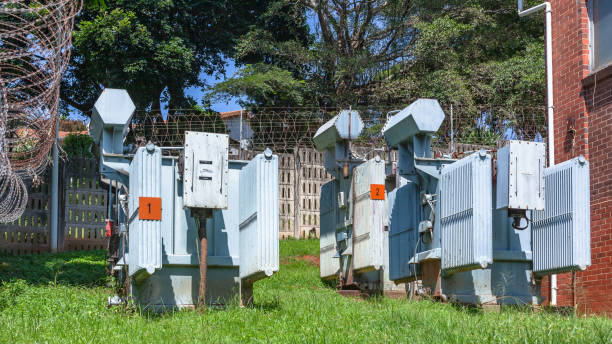
Reliable electrical power systems require more than transformers designed to change voltage. Proper grounding is also essential for controlling fault currents, maintaining system stability, and providing a defined reference point for electrical networks. In certain three-phase systems, a grounding transformer can play an important role by creating a neutral point when one is not naturally available.
Grounding transformers are commonly used in electrical distribution and industrial power systems where grounding arrangements need to be established or improved. They can provide a path for zero-sequence currents during ground faults and support the operation of protective equipment.
Understanding how grounding transformers work, where they are used, and how they contribute to electrical fault protection can help engineers and facility operators design safer and more reliable power systems.
What Is a Grounding Transformer?
A grounding transformer is an electrical device used to provide a neutral point for a three-phase electrical system. It is particularly useful in systems that do not have an accessible neutral connection.
The transformer creates a connection between the electrical system and ground. This arrangement allows ground-fault current to flow through a controlled path, enabling protective devices to detect and respond to certain faults.
See also: How to Know When You Need to Replace Gutters in Newcastle
Why Grounding Is Important
An electrical system needs an appropriate grounding method to establish a reference to earth and provide a path for fault currents. Without suitable grounding, ground faults can produce unpredictable voltage conditions and may make protection more difficult.
A grounding transformer helps establish the required grounding connection in systems where a neutral point is not otherwise available.
Common Grounding Transformer Configurations
Grounding transformers are commonly designed using configurations such as zig-zag or wye-delta arrangements.
A zig-zag grounding transformer uses specially arranged windings to provide a neutral point and a low-impedance path for zero-sequence currents.
A wye-delta configuration can also be used to create a grounded neutral point, depending on system requirements.
The appropriate configuration depends on the electrical network, fault-current requirements, voltage level, and protection scheme.
How Grounding Transformers Improve System Stability
Electrical system stability depends on maintaining predictable voltage and current behavior during both normal operation and fault conditions.
Providing a Stable Neutral Reference
A grounding transformer can establish a neutral reference for an otherwise ungrounded or differently configured three-phase system.
This reference can help control the relationship between phase voltages and ground, particularly during abnormal operating conditions.
Controlling Ground-Fault Conditions
During a line-to-ground fault, the grounding transformer provides a path for zero-sequence current. The amount of fault current depends on the grounding transformer impedance and the overall grounding design.
Controlled fault current can help protective equipment identify the fault and disconnect the affected portion of the system.
Ground Fault Protection
Ground faults are among the important fault conditions that electrical protection systems are designed to detect.
Creating a Path for Fault Current
When a phase conductor comes into contact with ground, current needs an appropriate return path. A grounding transformer can provide a controlled path for this current.
This allows protective relays and other equipment to detect abnormal conditions and initiate appropriate protective actions.
Supporting Protective Relays
Protective relays can monitor electrical parameters and identify ground-fault conditions. The grounding transformer can provide the necessary system characteristics for these protection schemes to operate effectively.
Proper coordination between the grounding transformer, current transformers, relays, circuit breakers, and other protective devices is essential.
Applications of Grounding Transformers
Grounding transformers are used in a range of electrical systems where an intentional grounding connection is needed.
Renewable Energy Systems
Solar farms, wind farms, and battery energy storage systems may use grounding transformers depending on their electrical architecture.
Power electronic inverters can have specific grounding and fault-management requirements. A grounding transformer may be incorporated into the system design to provide a suitable grounding reference.
Industrial Power Systems
Manufacturing plants and industrial facilities may operate medium-voltage electrical networks with equipment that requires reliable ground-fault protection.
A grounding transformer can be integrated into these systems to establish a neutral connection and support protective functions.
Utility Distribution Networks
Utilities may use grounding transformers in distribution networks where the system configuration does not naturally provide a neutral point.
The transformer can help establish a grounding connection and support the operation of fault-protection equipment.
Types of Grounding Transformers
Different transformer configurations can be selected depending on the requirements of the electrical system.
Zig-Zag Grounding Transformers
Zig-zag transformers are specifically designed to provide a neutral point without necessarily transferring significant three-phase power between circuits.
Their winding arrangement creates a path for zero-sequence current during ground faults.
They are widely considered for medium-voltage grounding applications.
Wye-Delta Grounding Transformers
A wye-delta transformer configuration can provide a neutral point through its grounded wye connection. The delta winding can provide a circulating path for certain components of fault current.
This arrangement may be suitable for particular network configurations and protection requirements.
Selecting a Grounding Transformer
Proper selection requires a detailed understanding of the electrical network.
System Voltage
The grounding transformer must be rated for the voltage of the system where it will be installed. Primary voltage and insulation requirements should be carefully evaluated.
Ground-Fault Current
One of the most important design considerations is the desired ground-fault current. The transformer impedance and grounding method influence how much current can flow during a fault.
Engineers must determine the appropriate fault-current level based on system protection requirements and applicable standards.
Duration of Fault Current
Grounding transformers may be designed to withstand fault current for a specified period rather than continuously.
For example, a transformer may have a short-time current rating that corresponds to the expected clearing time of the protective system.
The protection system must therefore be coordinated with the grounding transformer rating.
Grounding Transformer Installation Considerations
Correct installation is essential for reliable performance.
Proper Grounding Connections
The grounding transformer must be connected to the electrical system and grounding network according to the engineered design.
Grounding conductors, neutral connections, and other components should be correctly sized and installed.
Location and Environment
The installation location should provide suitable space, ventilation, access, and environmental protection.
Outdoor installations may require enclosures and construction suitable for weather exposure, while indoor installations may have specific ventilation and clearance requirements.
Maintenance and Inspection
Like other electrical equipment, grounding transformers benefit from appropriate inspection and maintenance.
Visual Inspection
Qualified personnel can inspect the transformer for signs of overheating, corrosion, physical damage, loose connections, or contamination.
Unusual noise or temperature changes may also indicate a developing issue.
Electrical Testing
Depending on the application, maintenance programs may include insulation testing, winding resistance measurements, grounding-system checks, and other electrical tests.
Testing requirements should be determined according to the manufacturer’s recommendations, system design, and applicable standards.
Benefits of Grounding Transformers
A properly designed grounding transformer can provide several important benefits.
Improved Fault Detection
By providing a defined path for ground-fault current, grounding transformers can support protective relays and other fault-detection equipment.
Controlled Fault Current
The grounding arrangement can be designed to control the magnitude of ground-fault current. This can help reduce unnecessary equipment stress while providing sufficient current for protective devices to detect faults.
Improved System Reliability
A properly grounded electrical system can provide more predictable behavior during abnormal conditions. This contributes to reliable operation and can help minimize the impact of certain electrical faults.
Support for System Design Flexibility
Grounding transformers can allow systems without a naturally available neutral point to incorporate an intentional grounding arrangement.
This flexibility can be valuable in industrial, utility, renewable-energy, and specialized electrical systems.
Safety Considerations
Grounding transformers are part of medium- and high-voltage electrical systems and must be designed and installed by qualified professionals.
Follow Applicable Standards
Electrical grounding systems should comply with relevant electrical codes, industry standards, utility requirements, and manufacturer specifications.
Protection settings, transformer impedance, grounding conductors, and fault-current levels should be evaluated as part of the overall system design.
Coordinate Protection Equipment
The grounding transformer should not be considered as an isolated component. Its characteristics must be coordinated with protective relays, breakers, fuses, current transformers, and other electrical equipment.
Proper coordination can help ensure that faults are detected and cleared appropriately.
Conclusion
Grounding transformers play an important role in electrical systems that require an intentional neutral or grounding reference. By providing a controlled path for zero-sequence current, they can support ground-fault detection, protective relay operation, and predictable system behavior during abnormal conditions.
Zig-zag and wye-delta configurations provide different ways of establishing grounding connections, and the appropriate choice depends on system voltage, fault-current requirements, protection design, and operating conditions.
Grounding transformers are used in utility networks, industrial facilities, renewable-energy installations, and other electrical systems where reliable grounding is essential. Proper sizing, installation, protection coordination, and maintenance are critical to achieving dependable performance.
When incorporated into a carefully engineered grounding system, a grounding transformer can contribute significantly to electrical fault protection, system stability, and overall power-system reliability.
